Breathing Inside - Artist's Book
Title: Breathing Inside
Year: 2025
Format: Hand-bound artist book
Dimensions: Approx. 33 × 21 cm (folded, variable due to recycled materials)
Materials: Recycled cardboard cover; mixed papers; printed text fragments; collage; gouache and ink; graphite; cotton thread
Structure: Single-signature stitched block; title pendant with bilingual text (English/Spanish)
Pages Included: 9 original works on paper (collage + gouache)
Edition: Unique (one-of-a-kind)
Language: English & Spanish
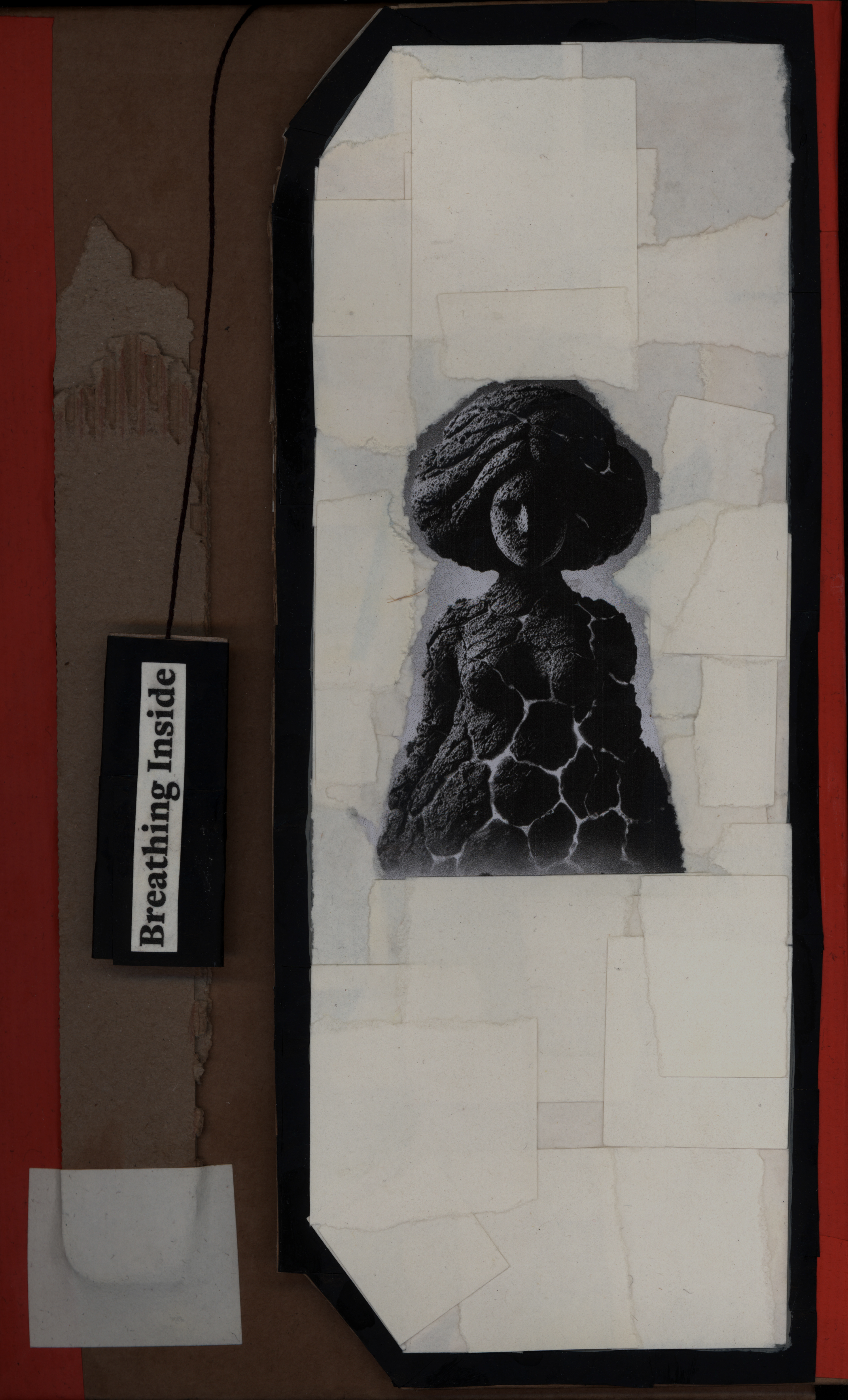
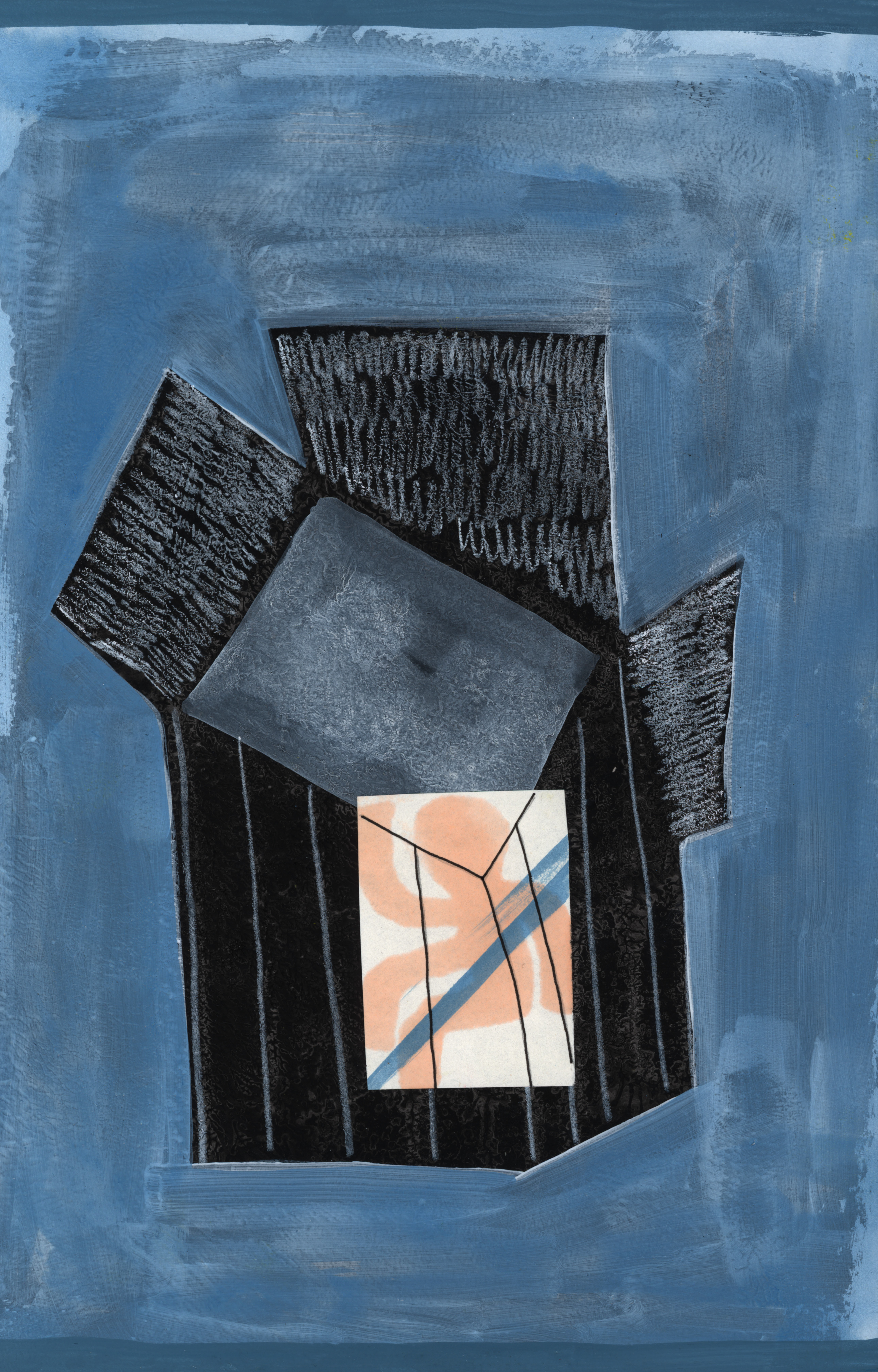
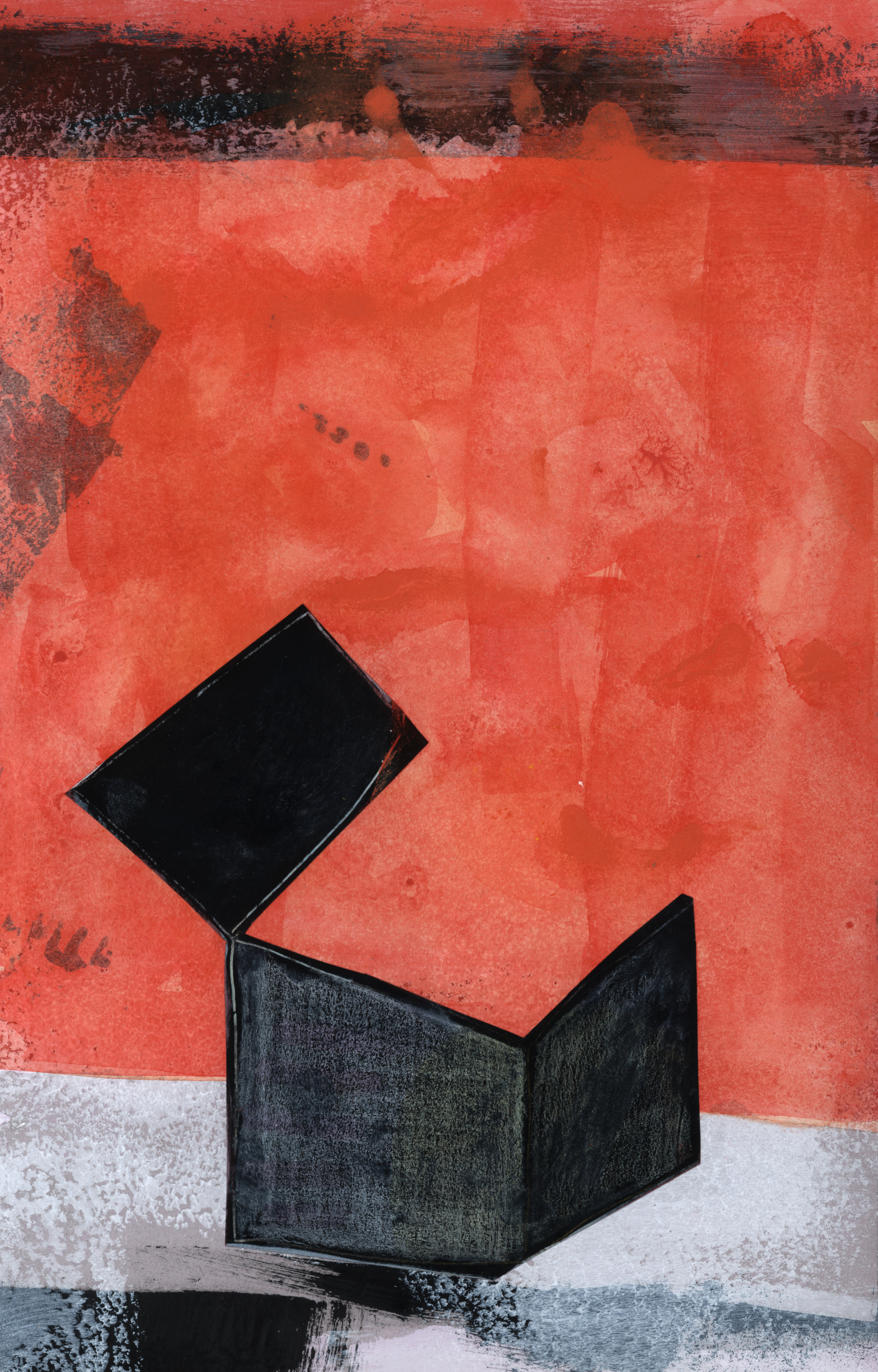
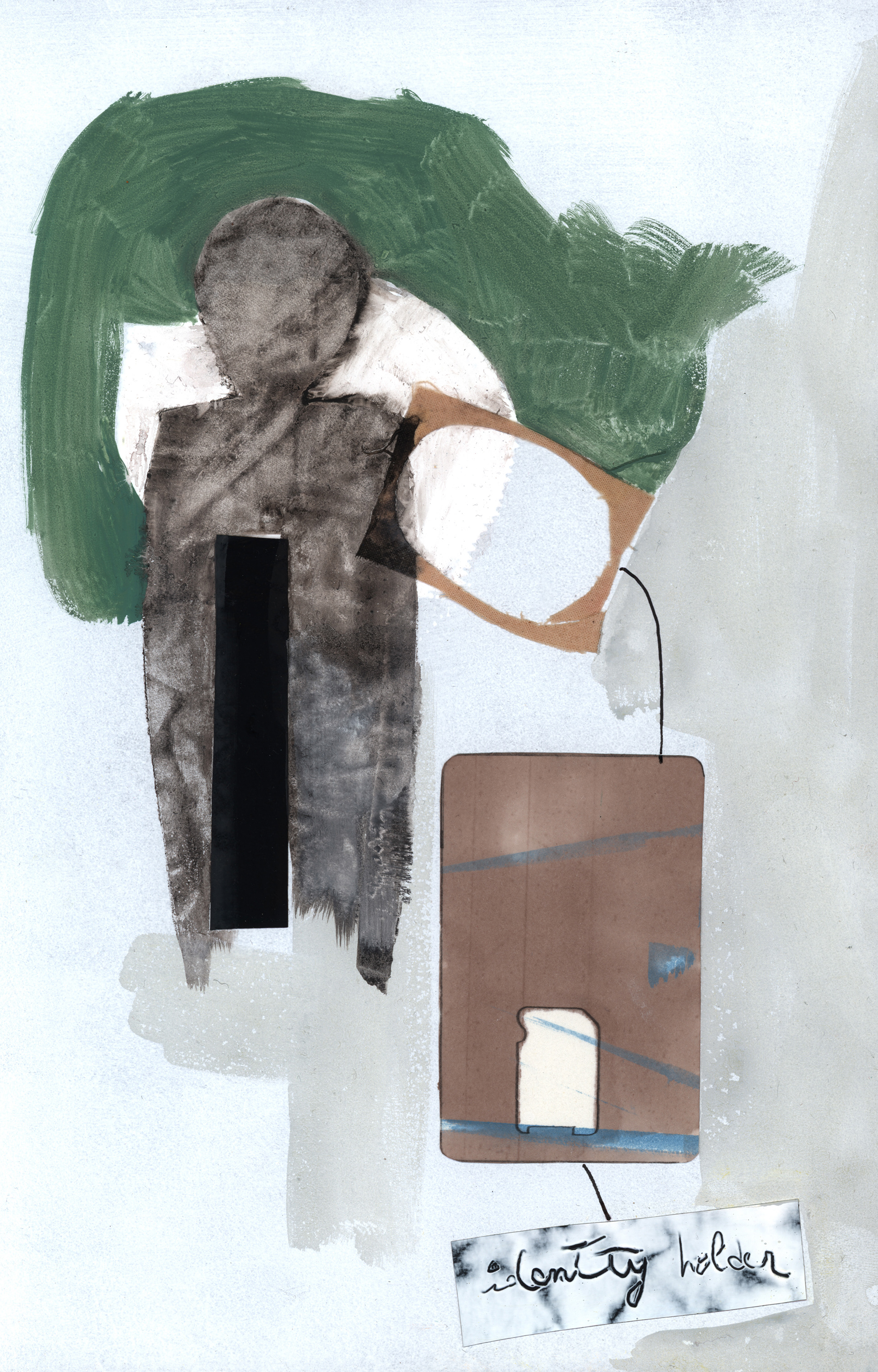
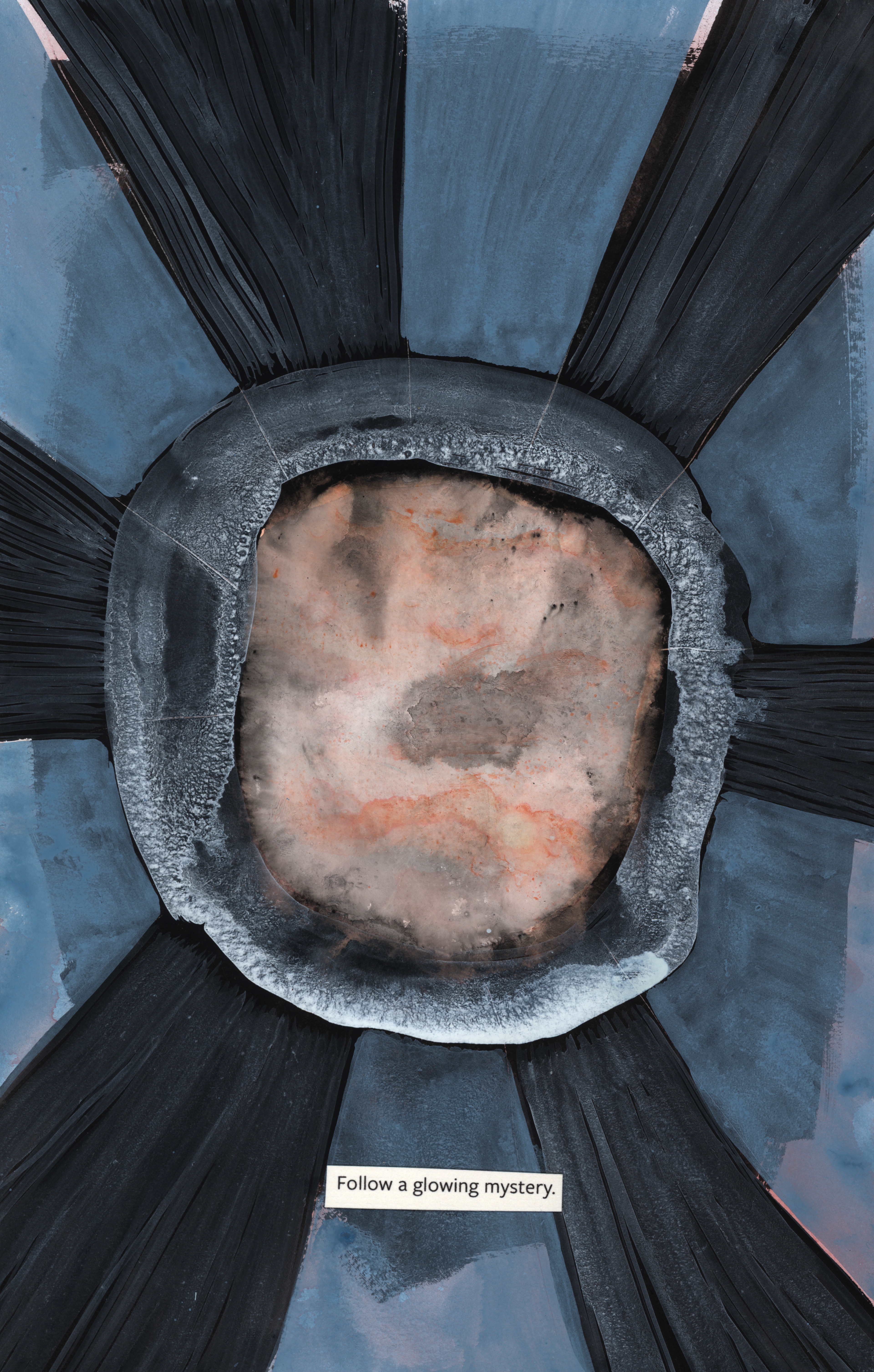
Breathing Inside is an artist’s book built from fragments: cardboard, found papers, cut texts in English and Spanish, painted fields, and small sculptural gestures that behave like hinges between the inner and the outer. At its centre lies a simple but persistent question: what does an interior feel like? Not only the interior of a body, but of a thought, an image, a memory in formation.
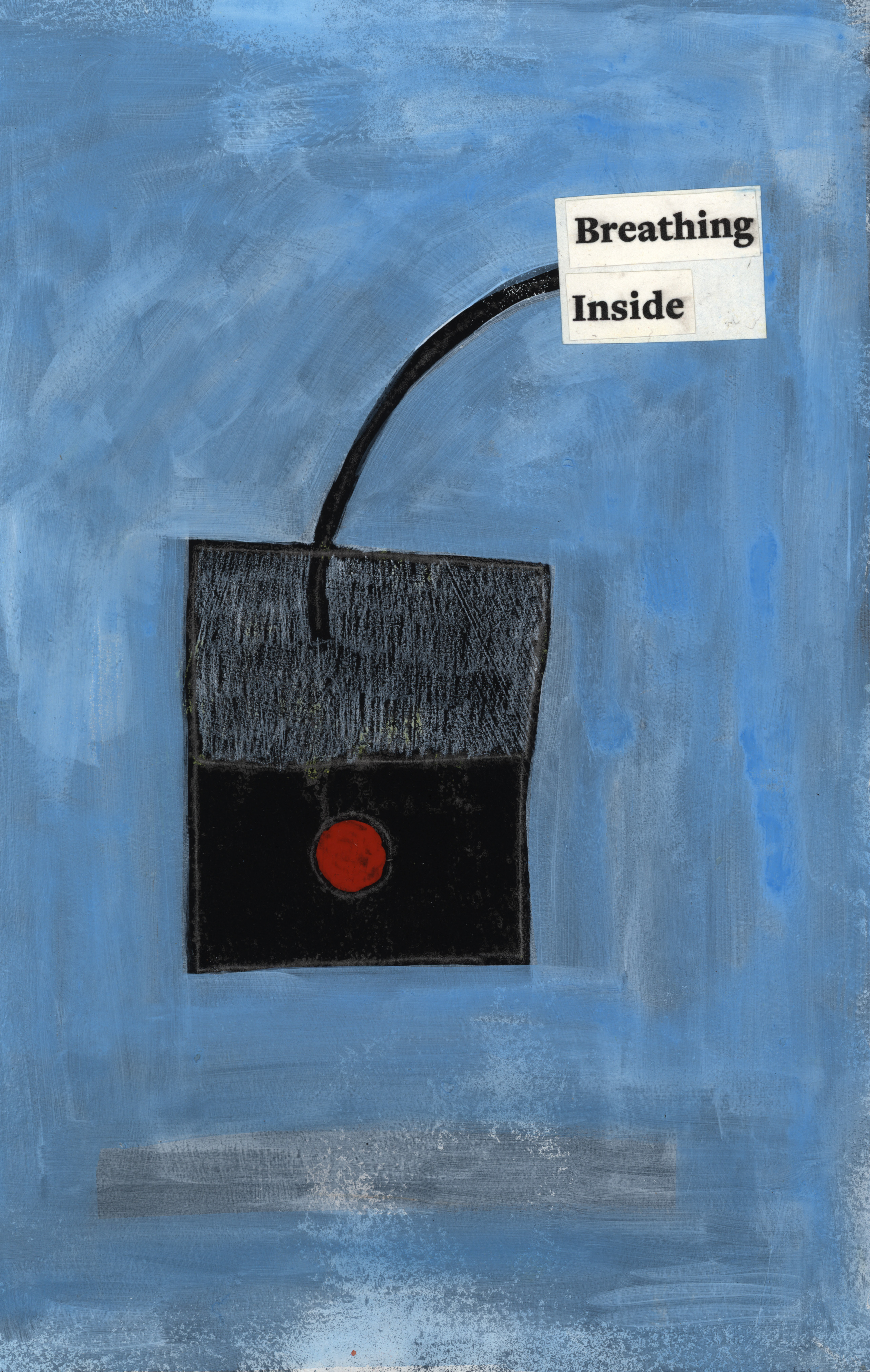
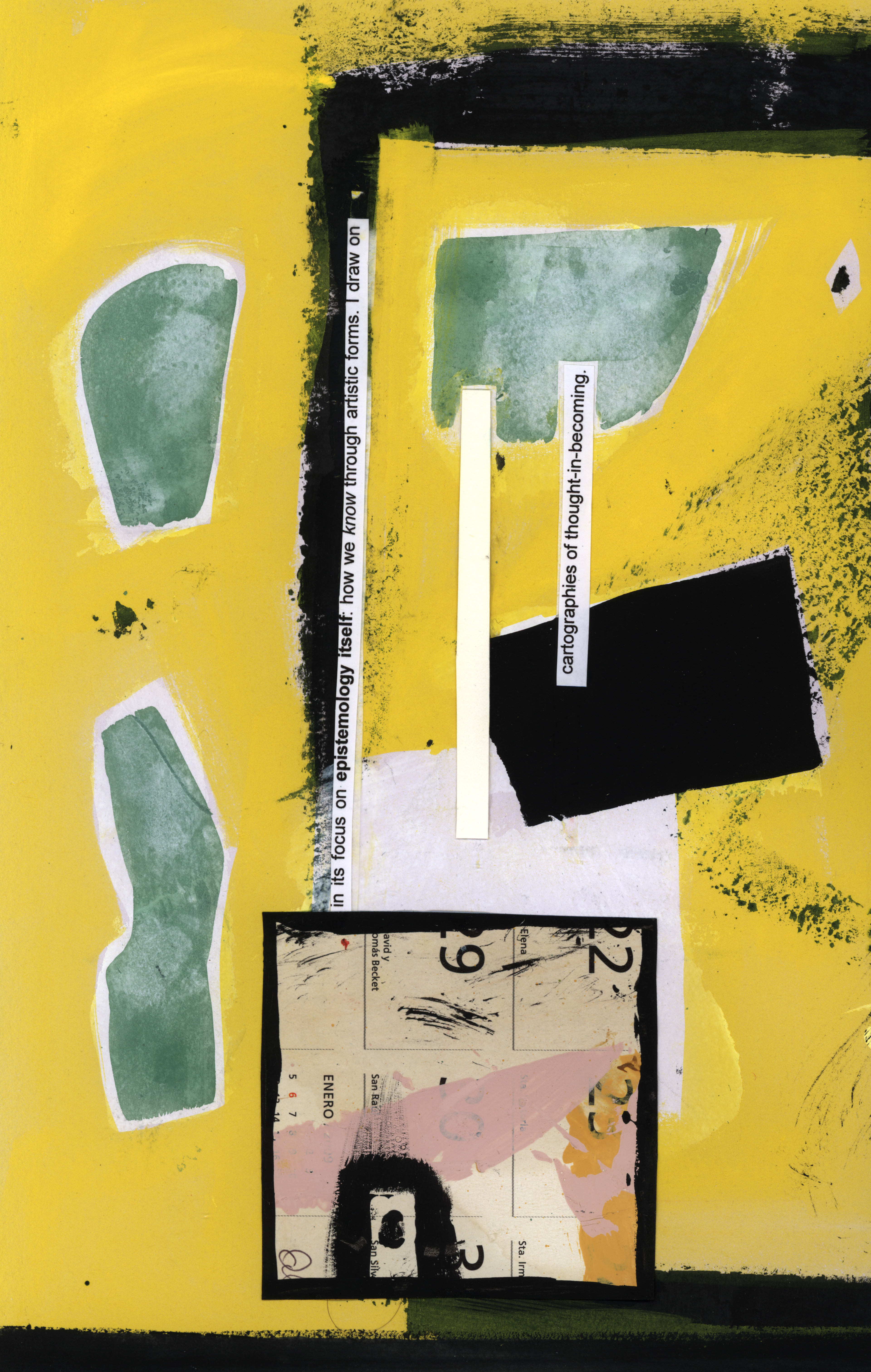
The pages unfold as shifting chambers. A black square with a single red point appears like a pulse, a sealed container for something unnamed. Elsewhere, textual strips interrupt the painted surfaces, not to clarify meaning but to expose its instability—language becomes breath, residue, or a trace of thinking-in-process. The recurring box motifs open or tilt, suggesting moments where the internal pressure of the image exceeds its boundaries.
The book is constructed slowly, materially, through layers of painted marks, collage, abrasion, and soft erasures. Its tactile surface invites a form of reading that is not linear but physiological: each page feels like an inhalation or exhalation, a movement through an interior landscape in which memory, sensation, and abstraction coexist.
While independent in tone, Breathing Inside extends the broader inquiry of Sensitive Ontologies. It proposes the page as a porous organism—one that breathes, absorbs, and releases meaning. Through its quiet intensity, the book reflects on the act of inhabiting oneself, suggesting that interiority is not a fixed container but a mutable field shaped by attention, affect, and time.
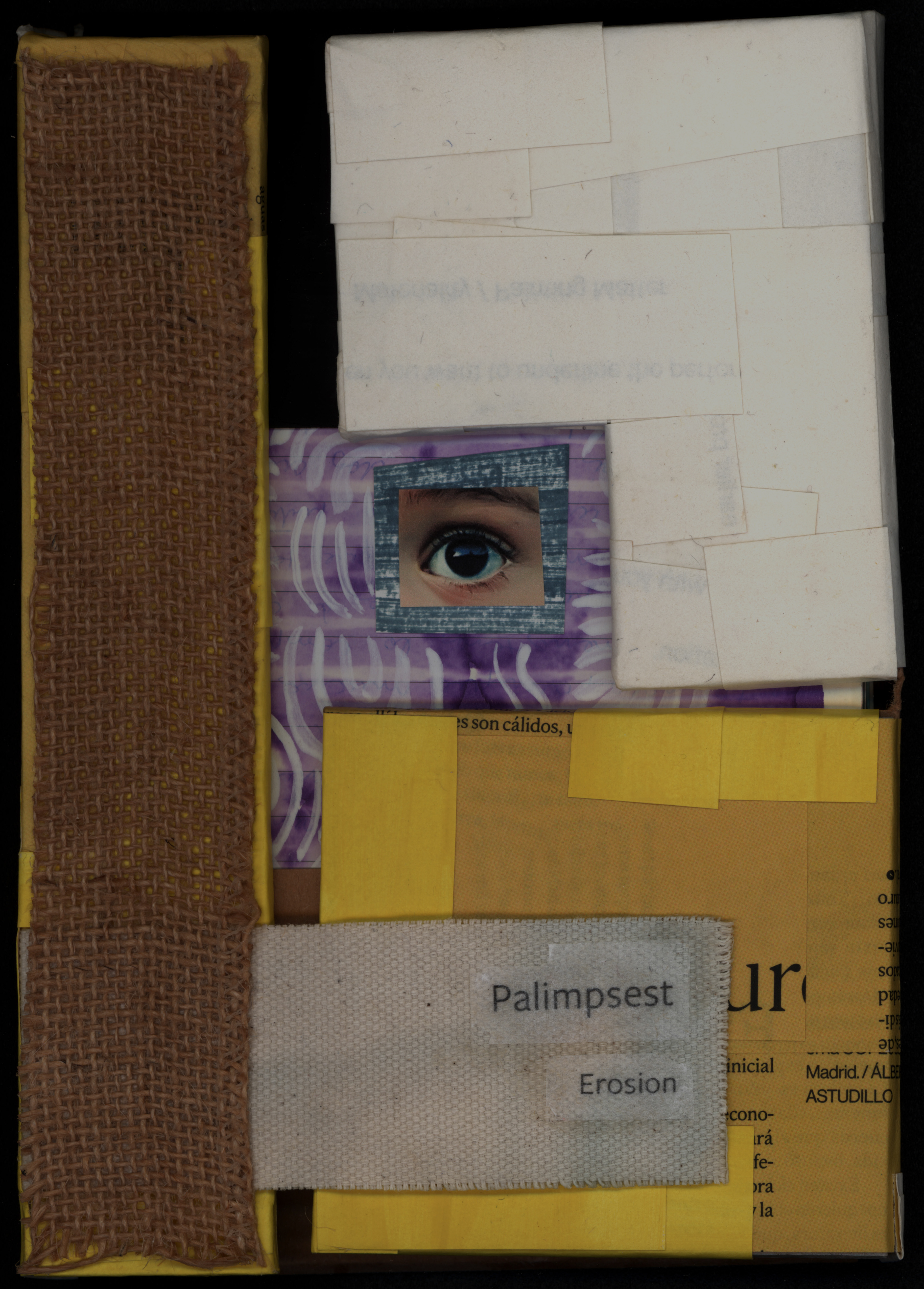
Palimpsest - Artist's Book
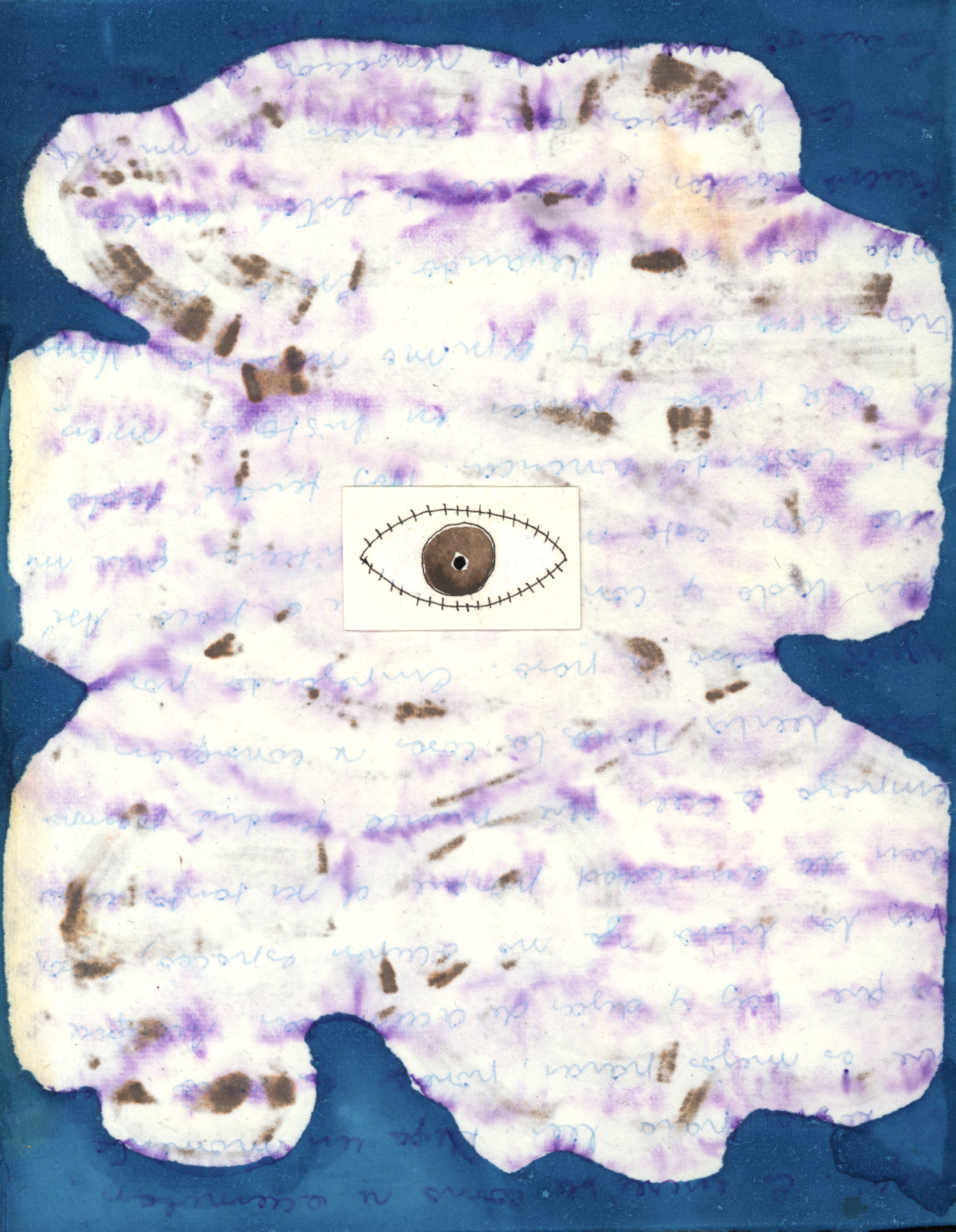
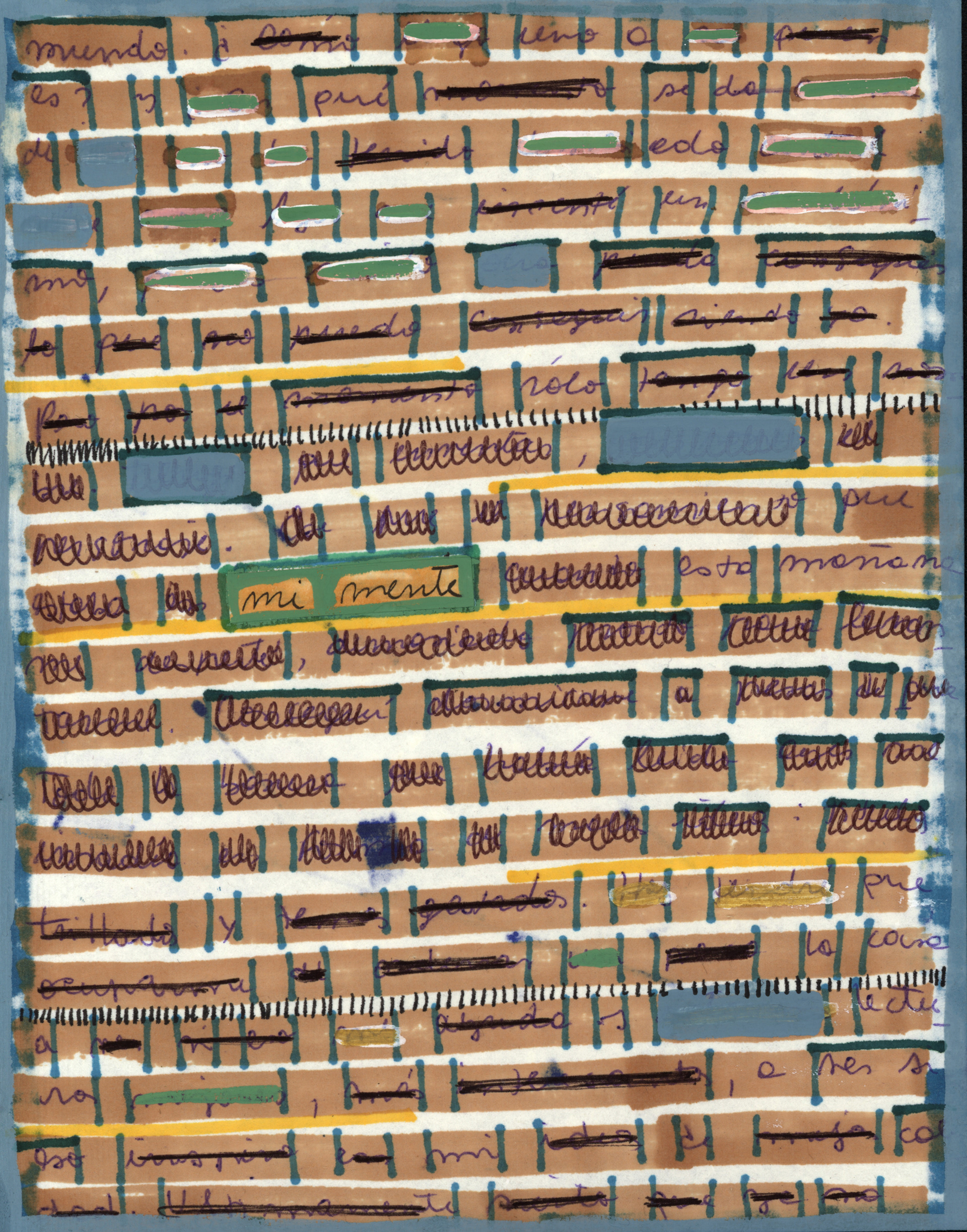
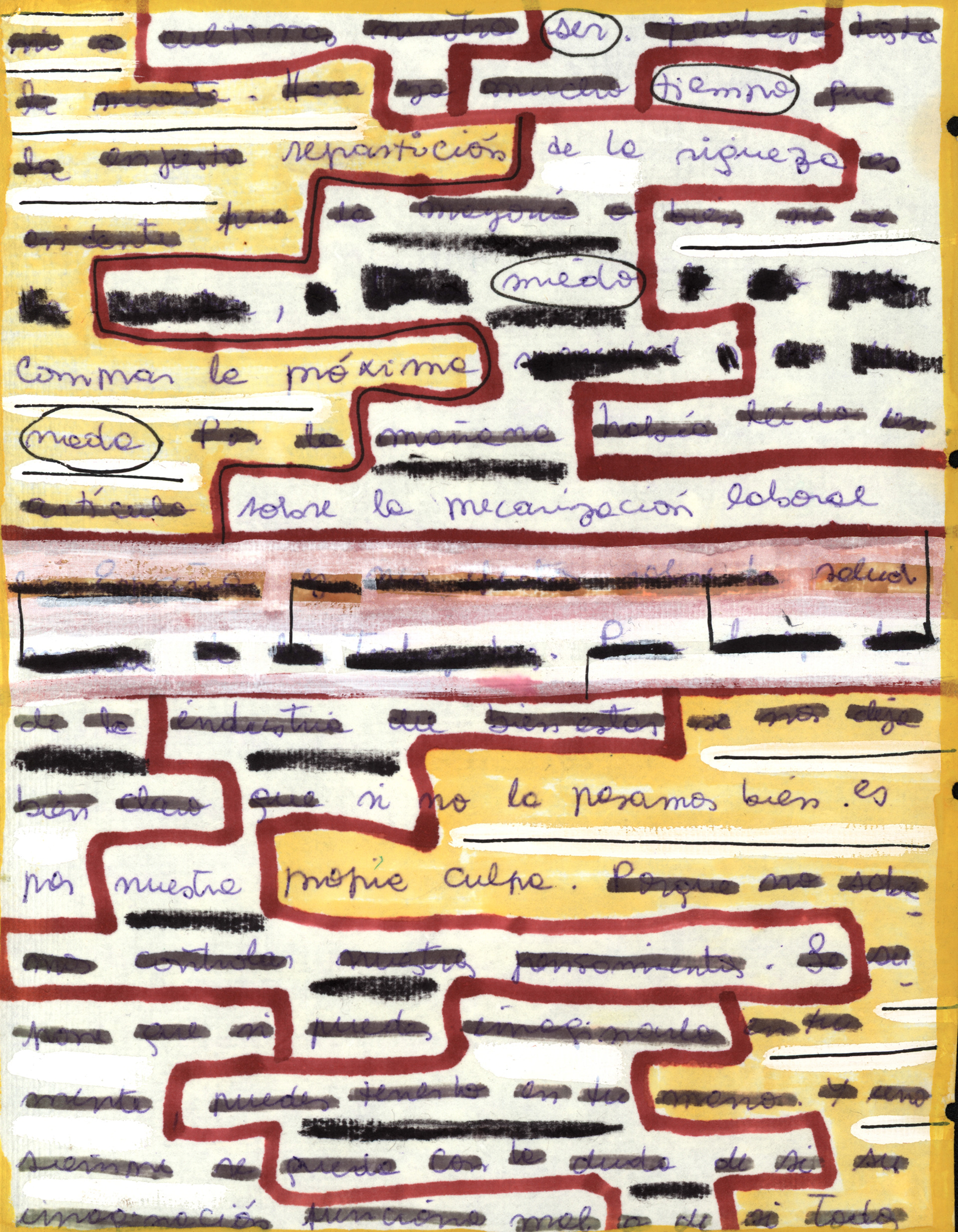
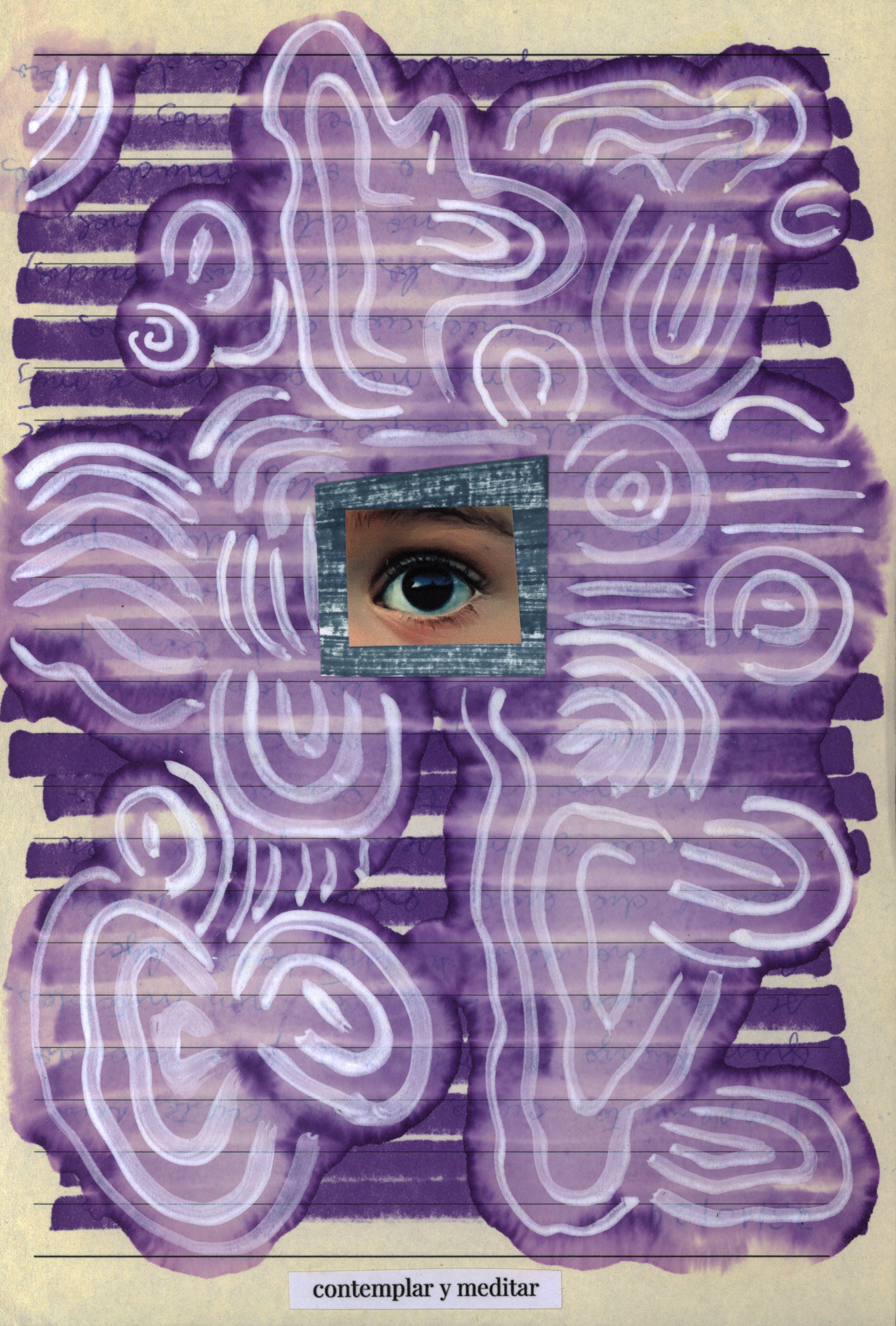
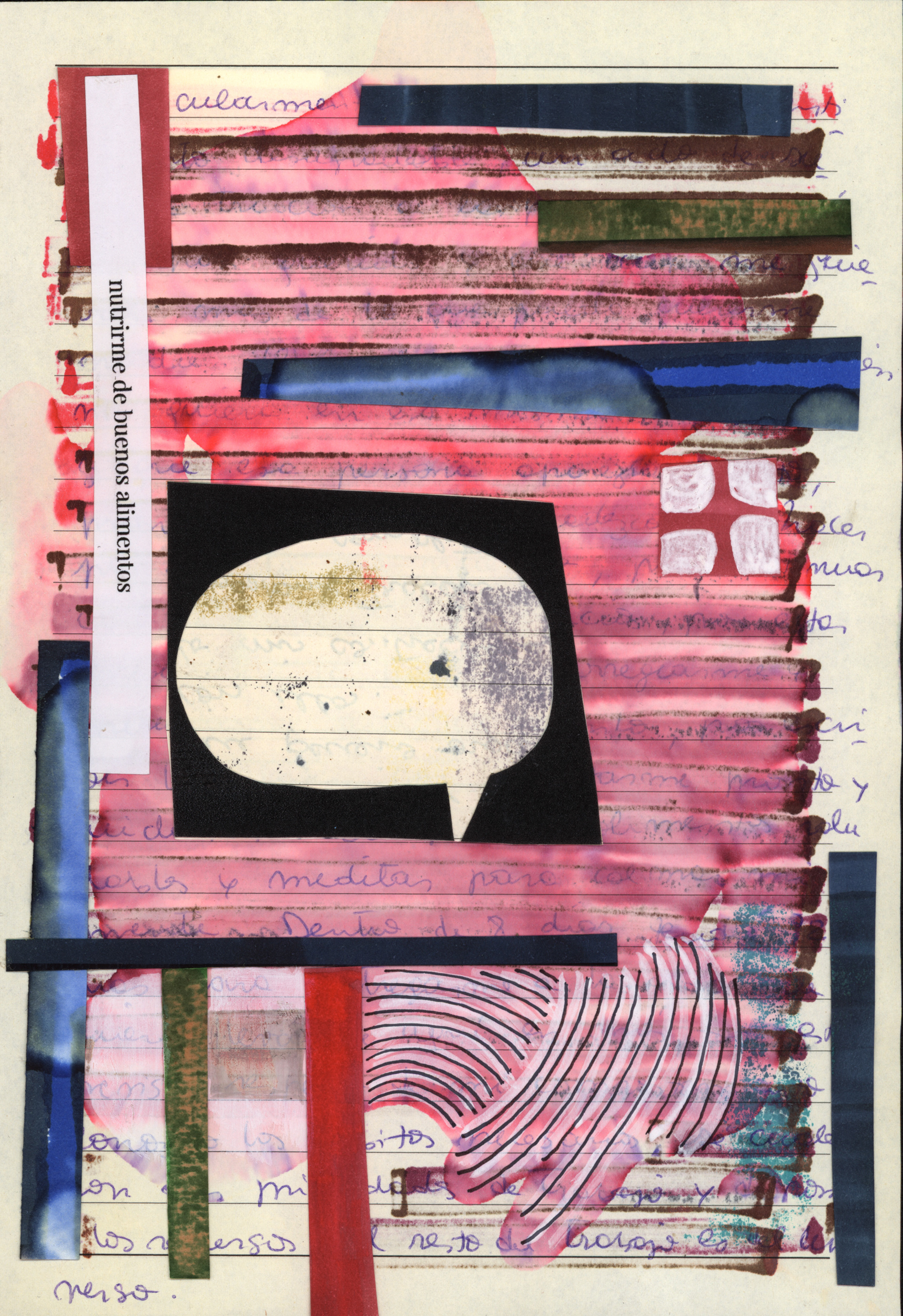
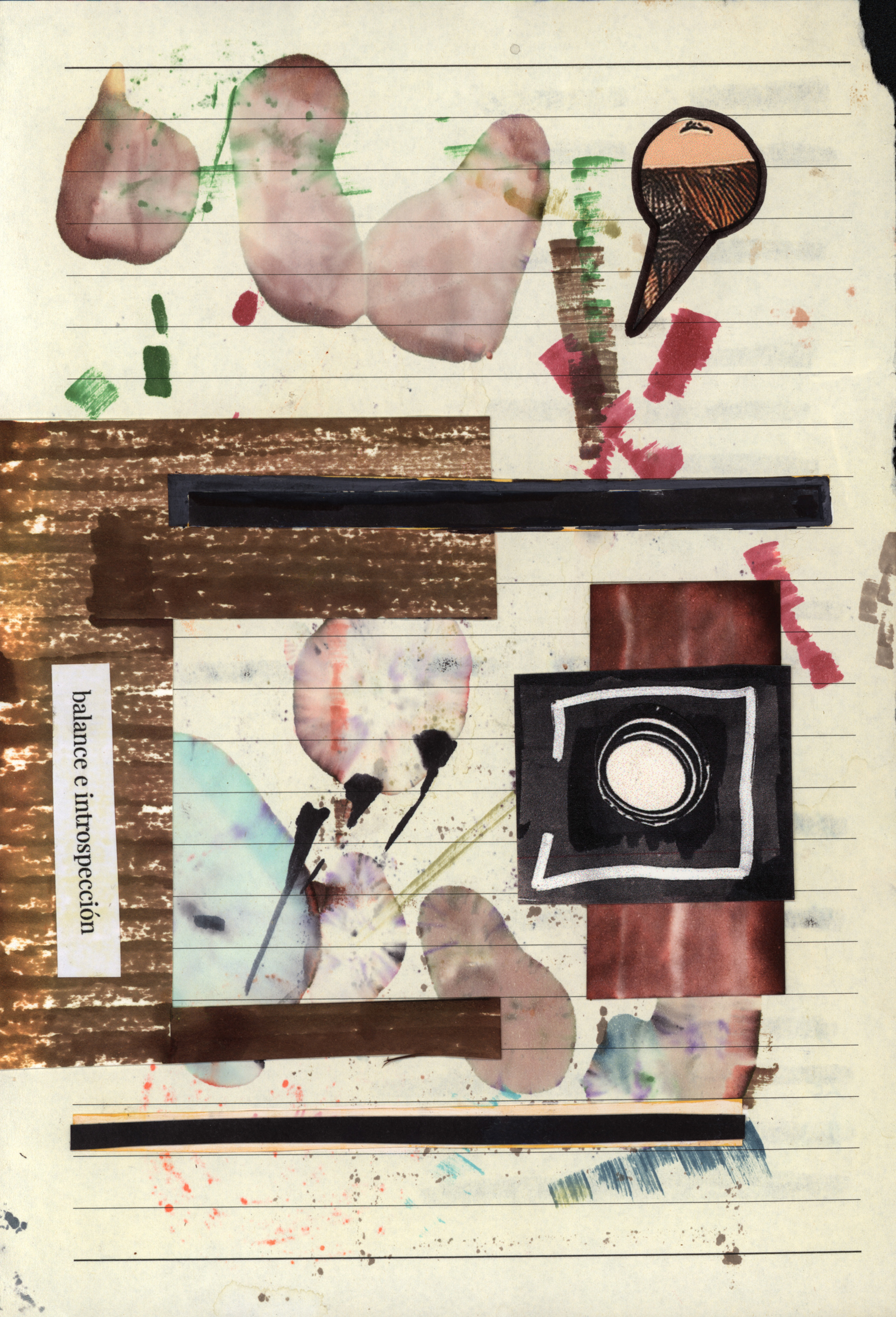
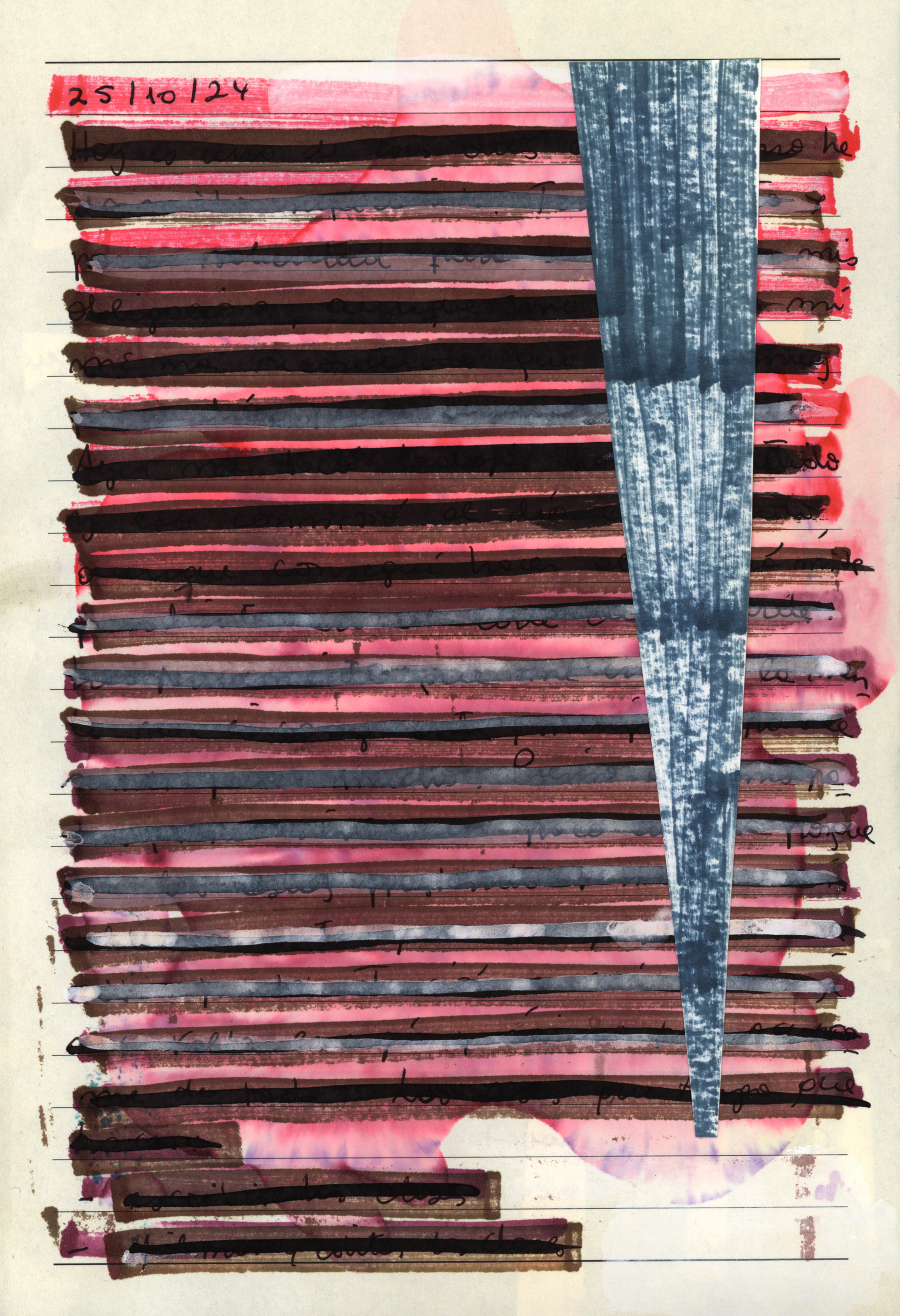
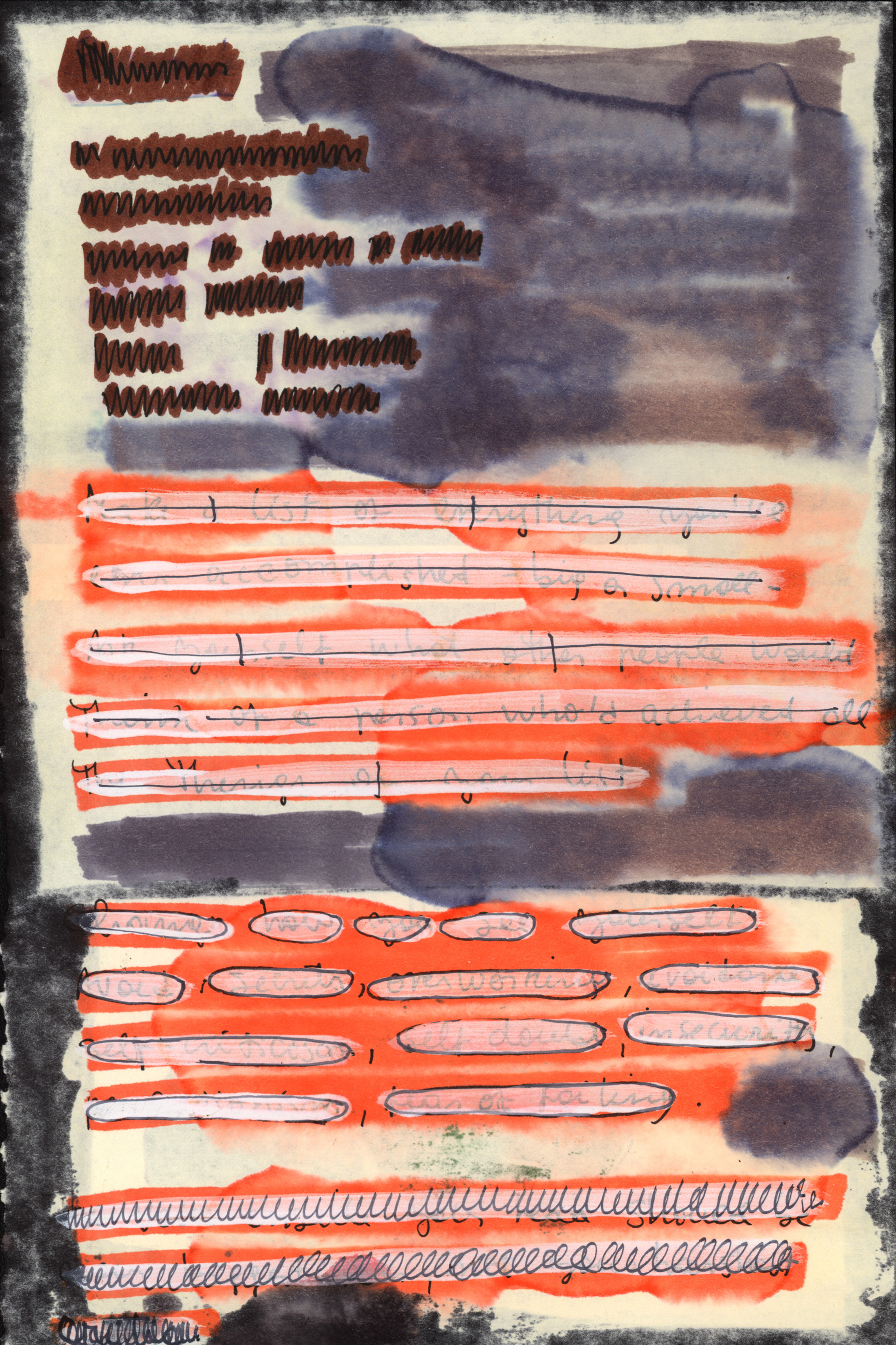
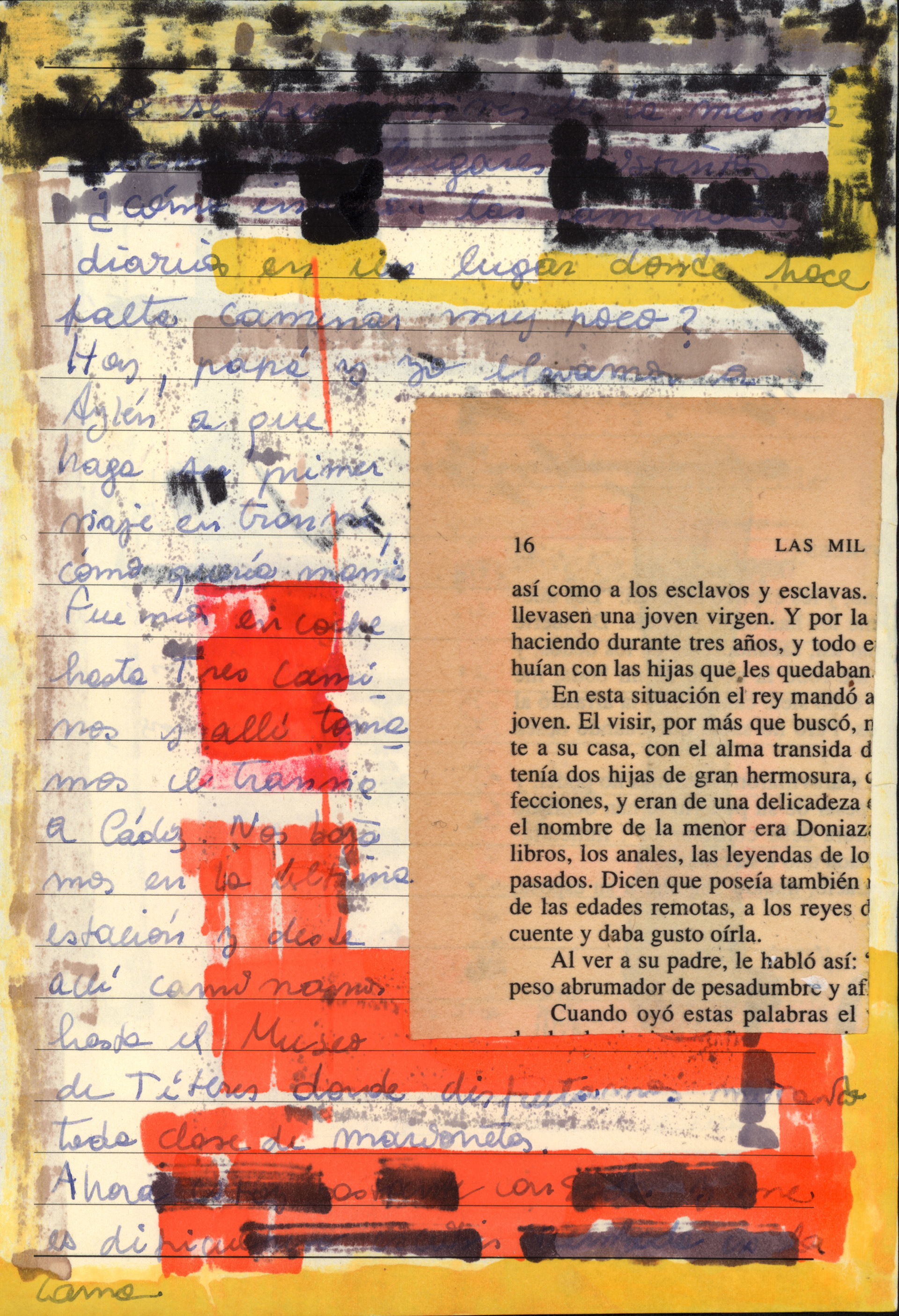
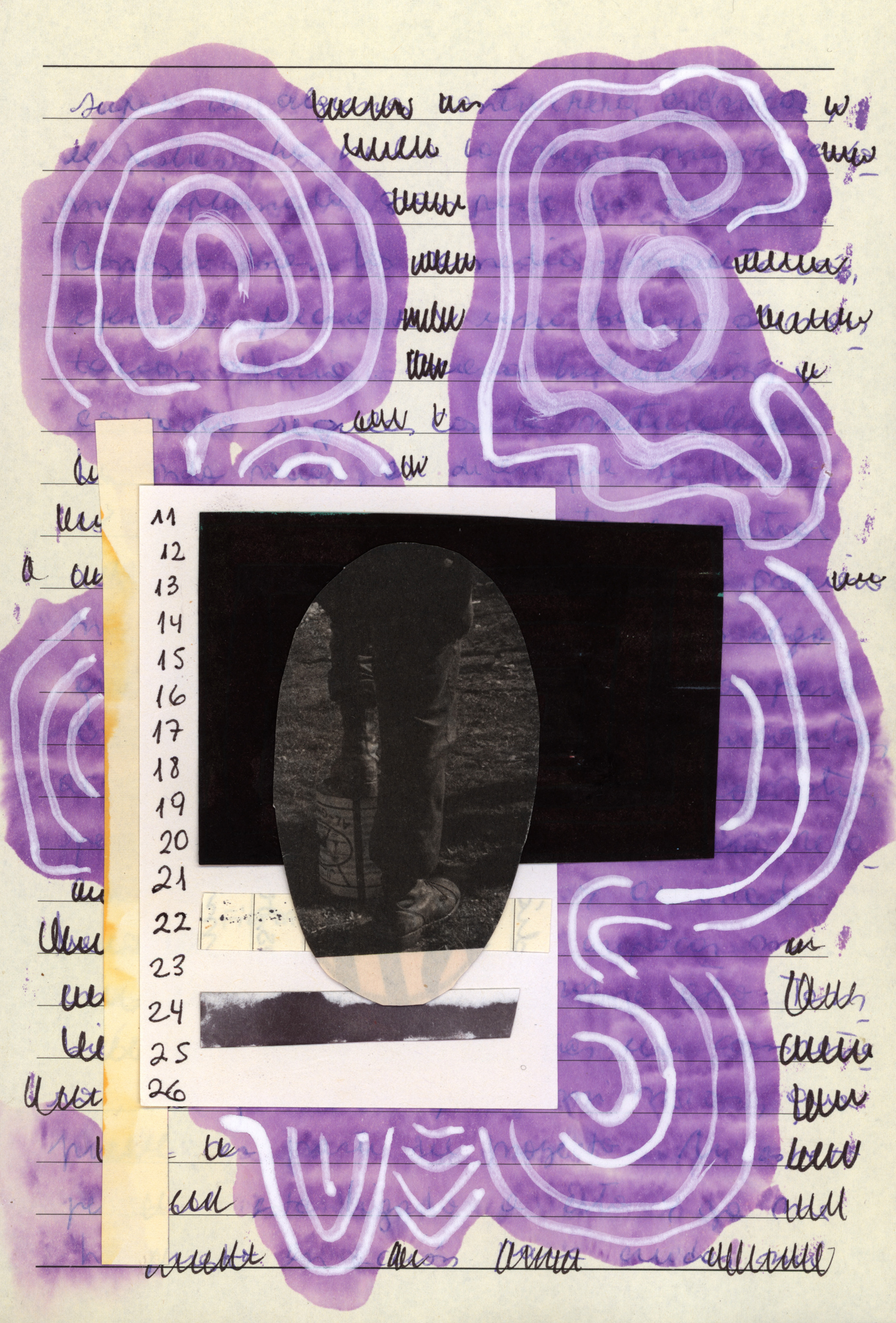
Palimpsest is an artist’s book composed from pages of my old diaries, reworked through layers of ink, collage, redaction, and symbolic drawing. Each page becomes a site where memory is exposed and obscured at once—a terrain where the past is not preserved but continuously rewritten. Rather than illustrating personal history, the work studies the material behaviour of recollection: how thoughts blur, how phrases survive under pressure, how marks can carry meaning even as they erase it.
The book operates through interruption and accumulation. Text dissolves into colour fields, symbols drift across lines, and fragments of language resurface as prompts—calls to movement, introspection, nourishment, or escape. In this shifting architecture, intimacy becomes structural rather than confessional.
Palimpsest is not a diary but a process of unmaking and remaking: an exploration of how experience is sedimented, scraped, and rewritten into new relational forms.
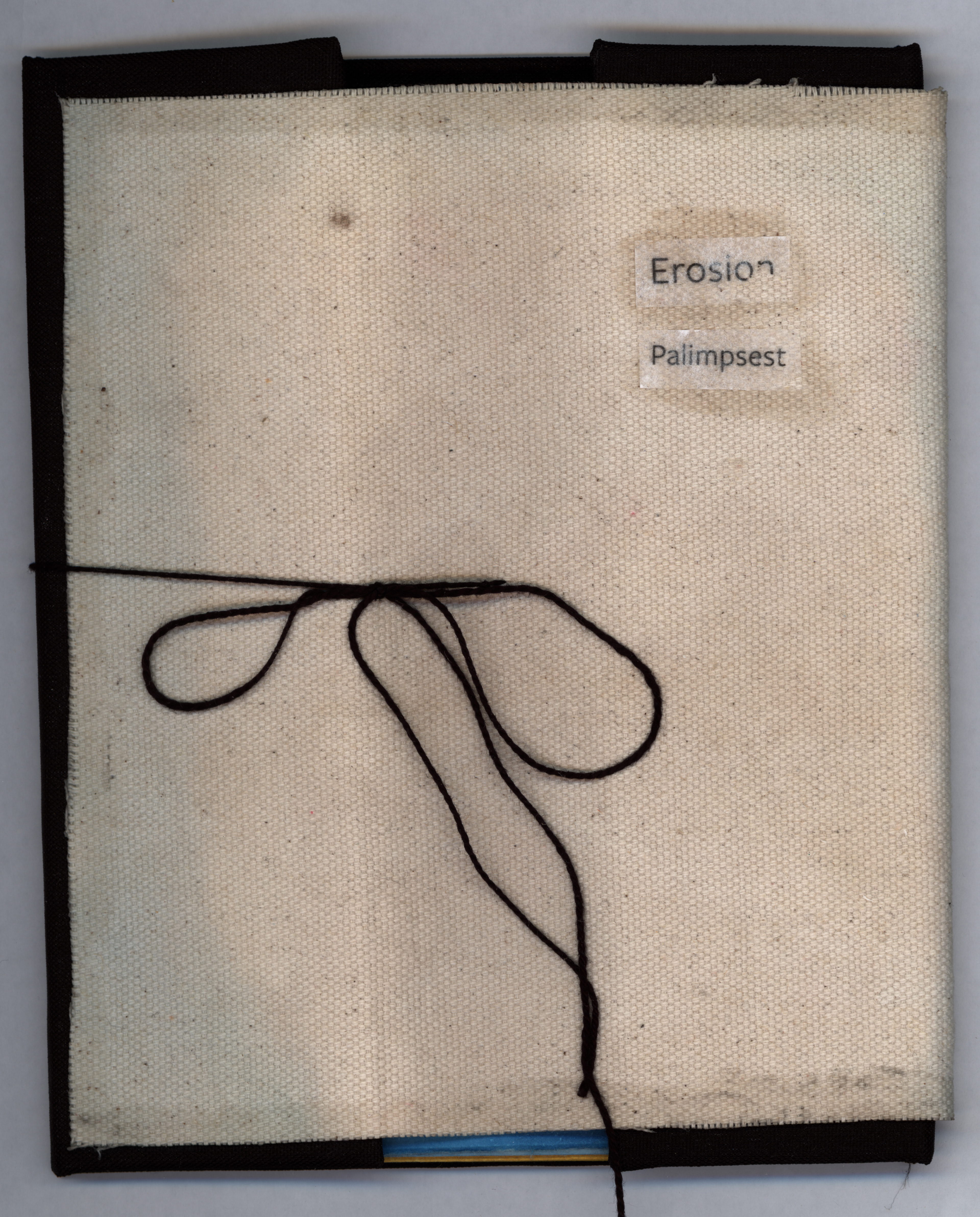
Erosion - Artist's Book
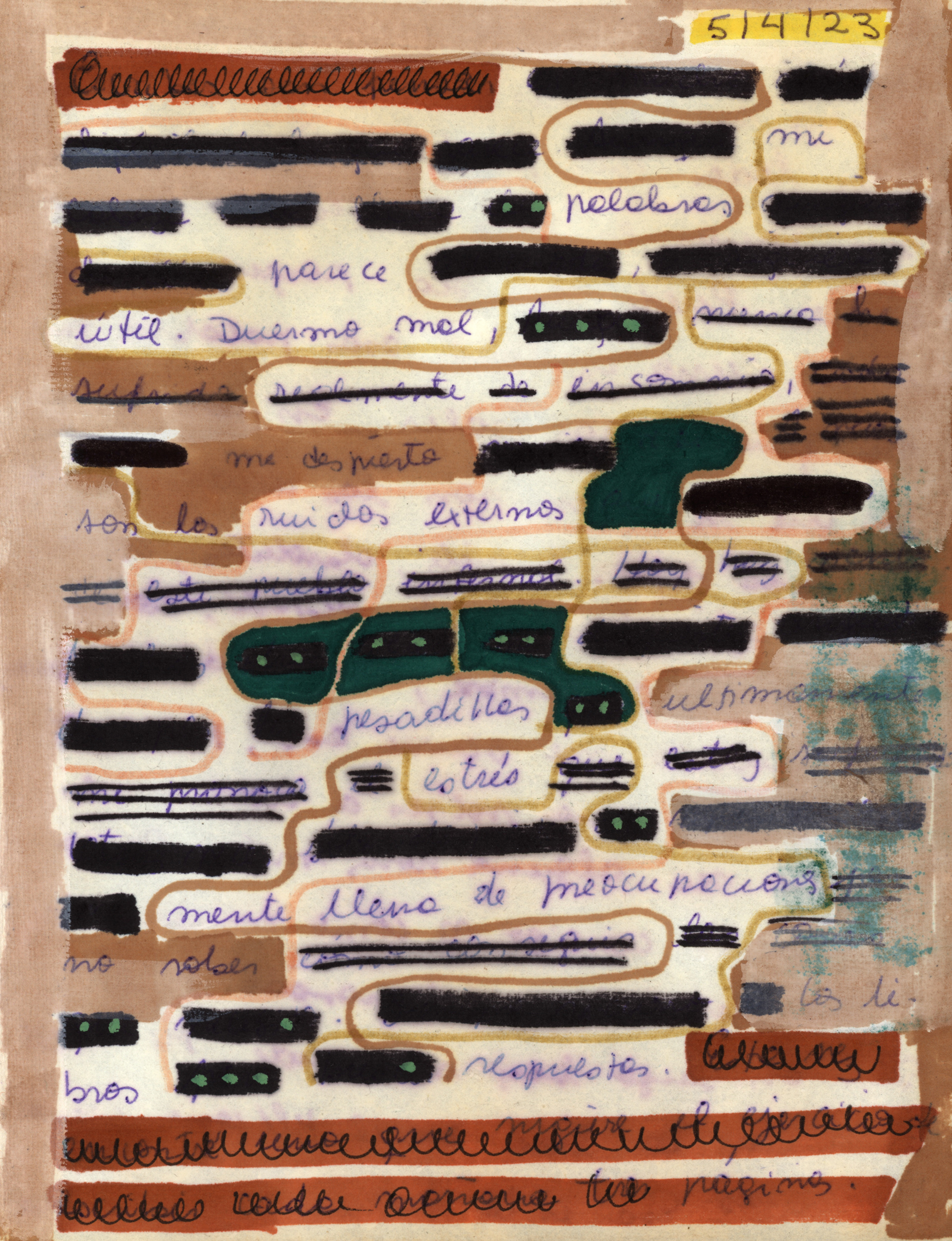
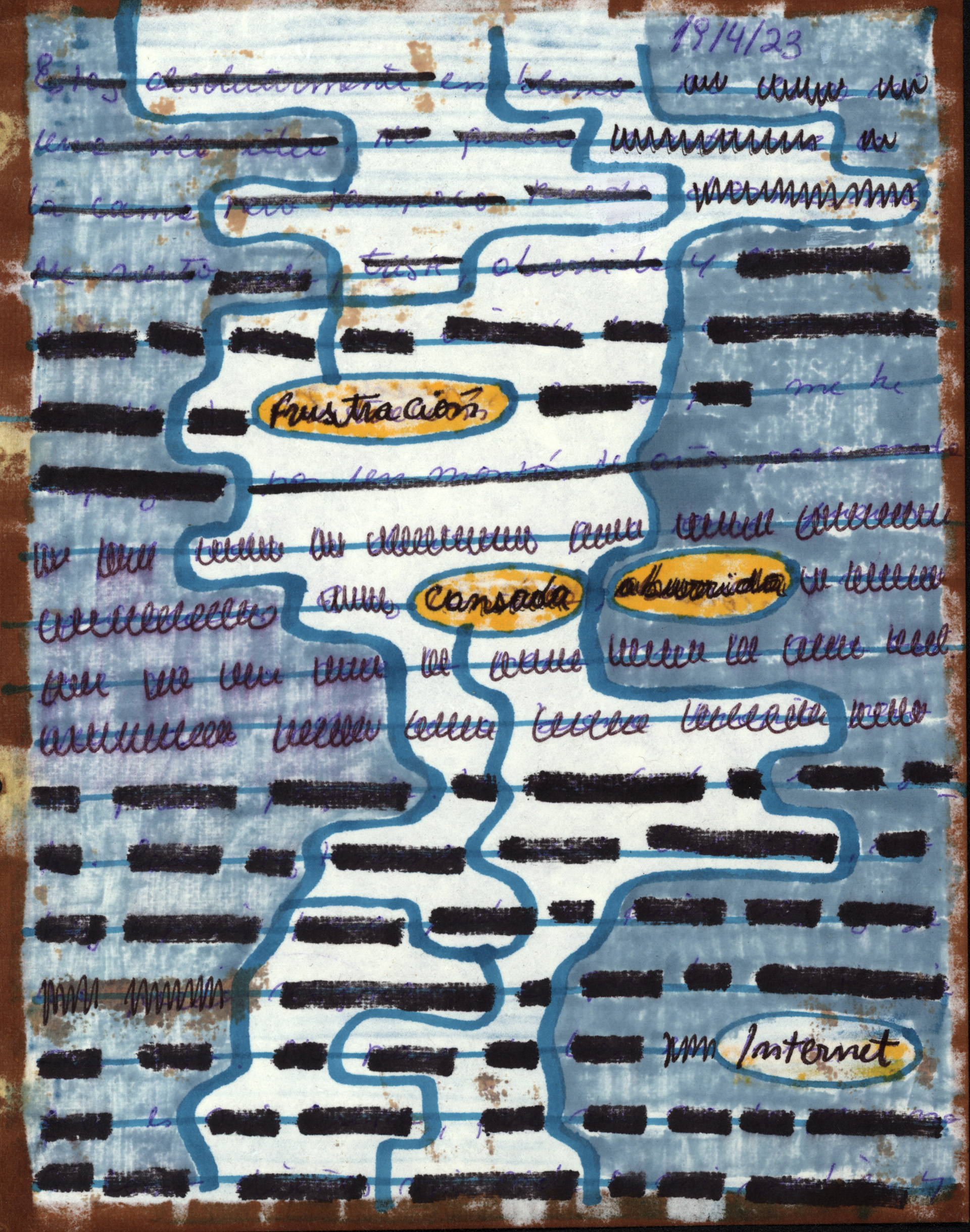
Erosion is an excavation of the diary page as a living surface. Each page begins with autobiographical writing—intimate, unguarded—and undergoes a slow process of intervention: pigments that bleed, lines that fracture, blocks that silence or expose fragments of speech. The text is not erased but eroded, allowing only certain words to survive the pressure of time, memory, and reinterpretation.
In these pages, language becomes sediment. Sentences dissolve into stains, break apart into grids, or anchor themselves in the last remaining openings of the page. What is revealed is not confession but structure: the architecture of a mind negotiating its own thresholds.
The work proposes the diary as a vulnerable terrain where meaning shifts, collapses, and reappears in altered form. Erosion is both an act of disappearance and an act of care — a way of returning to one’s own writing not to preserve it, but to let it breathe again through transformation.