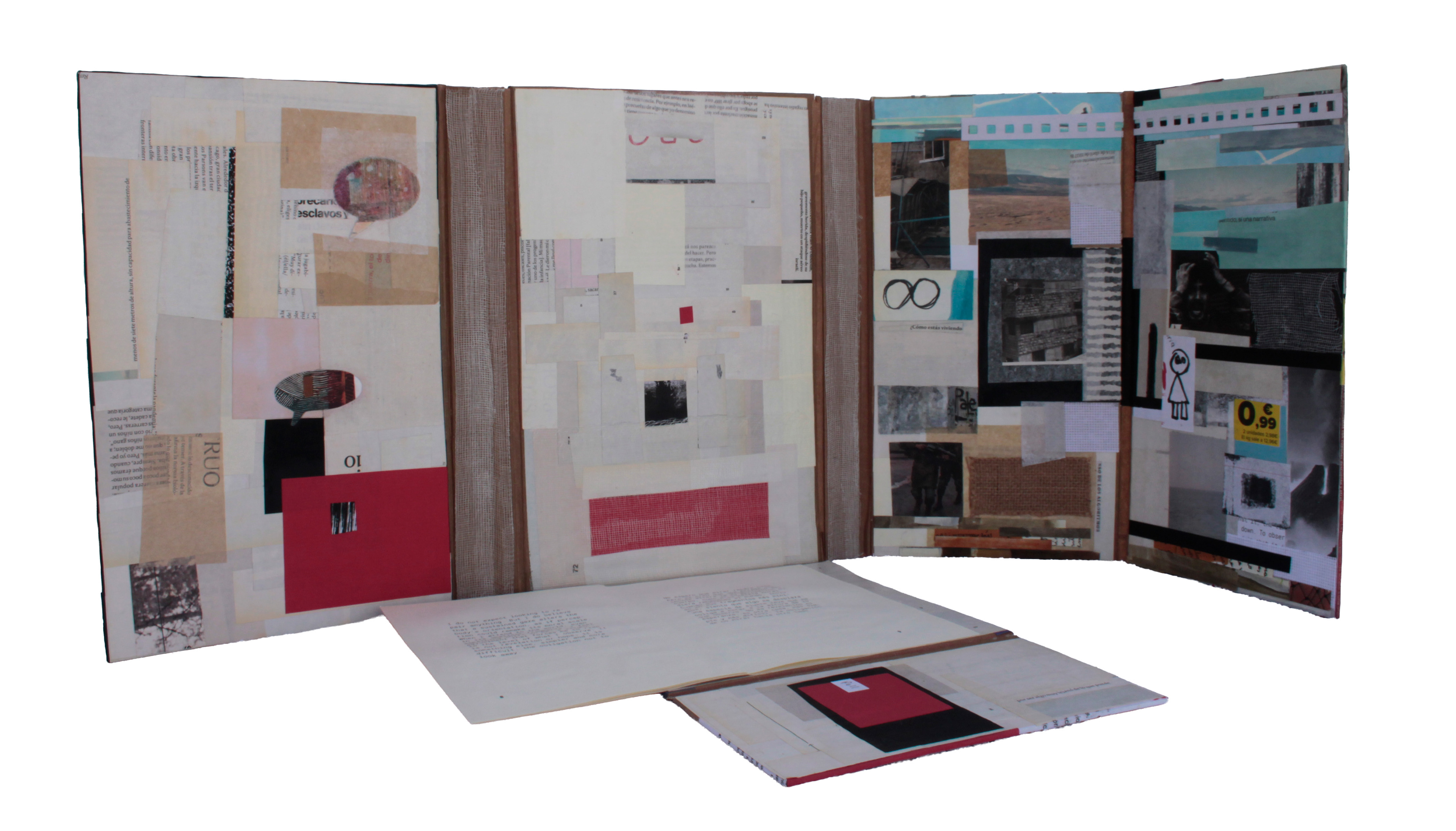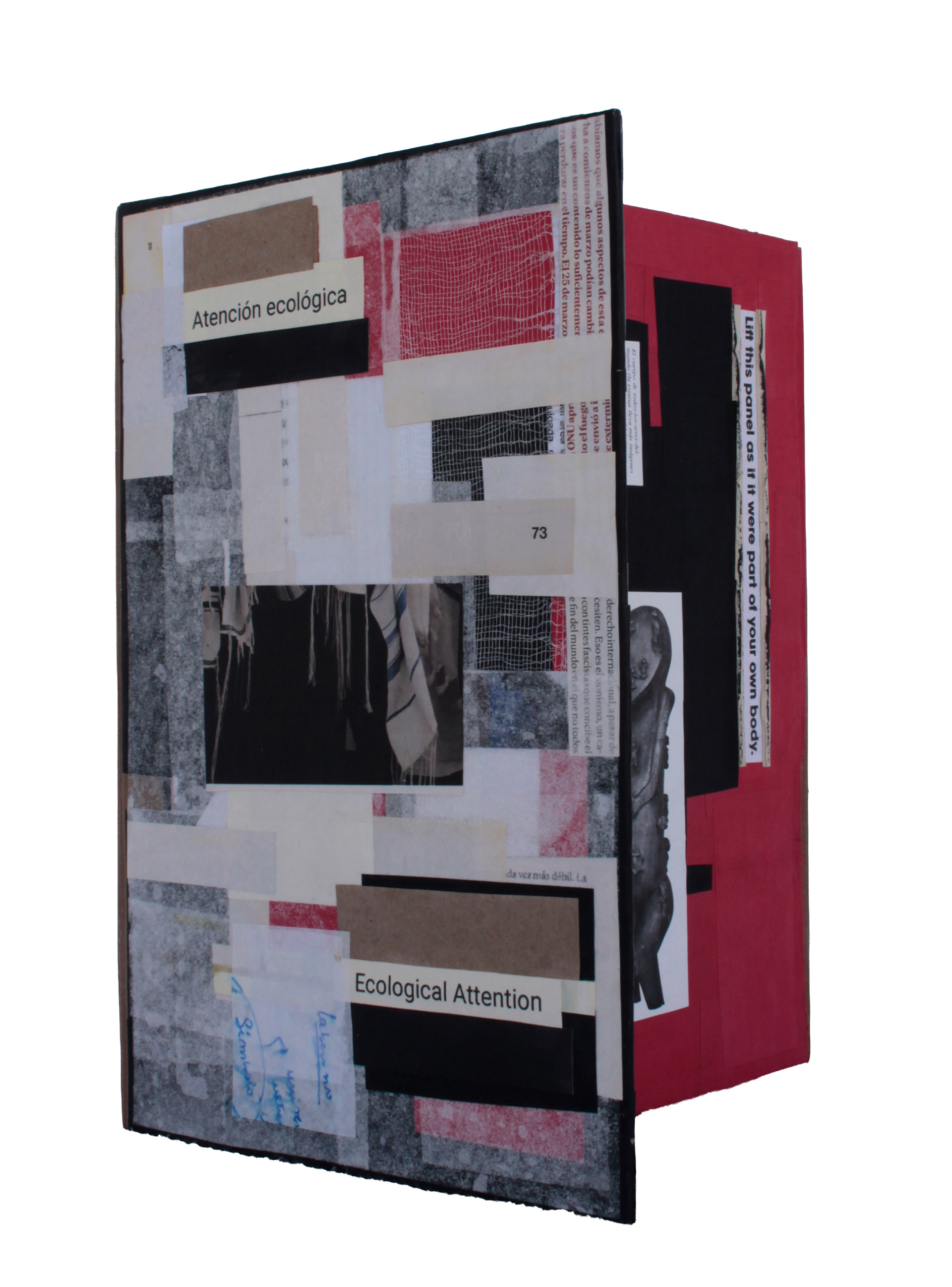
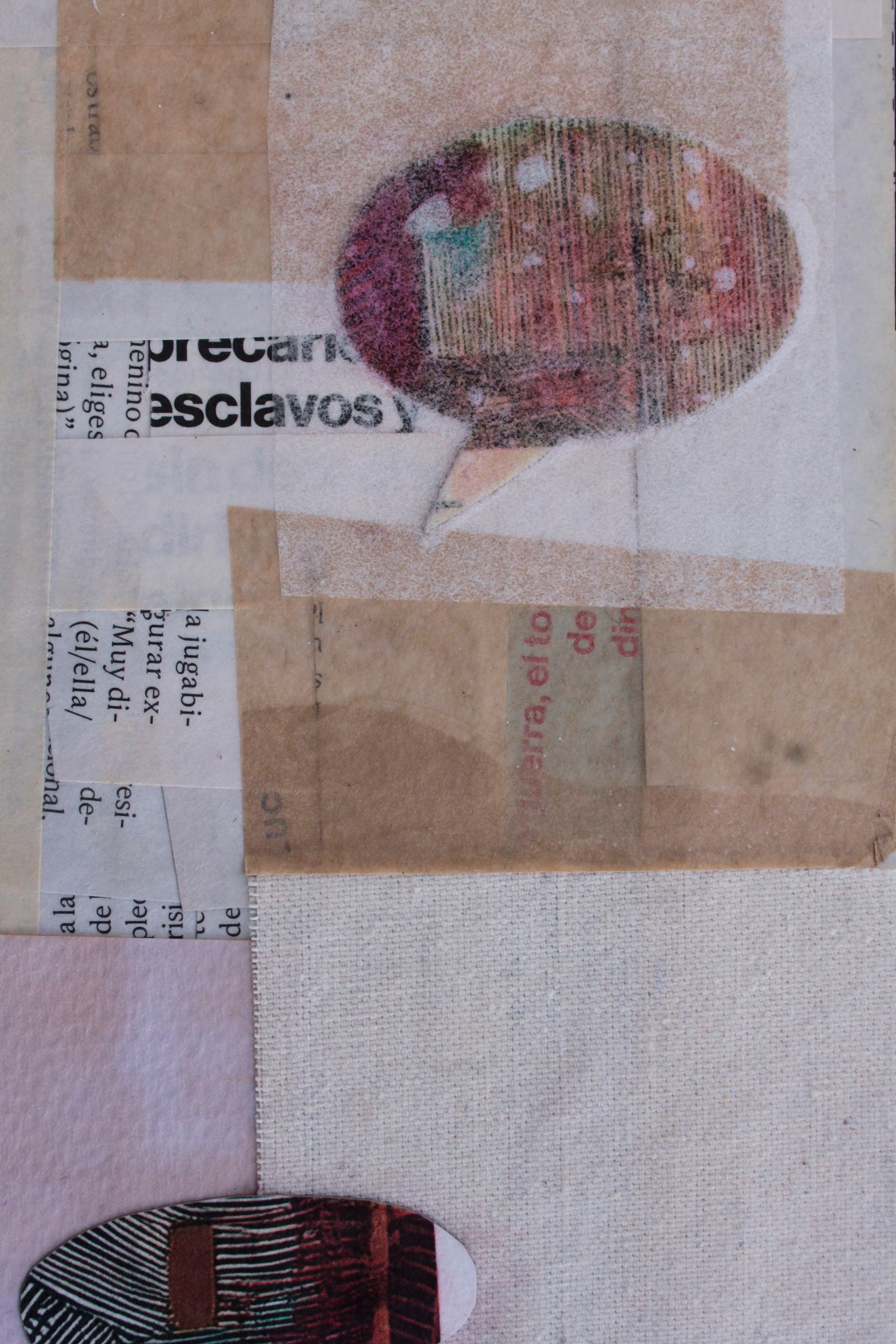
I pause before an ordinary object: a piece of cardboard, an eroded stone, a scrap of fabric that has lost its original shape. None of them speaks, yet all carry a history that is not entirely their own. Matter, when looked at closely, reveals the logic of the hands that used it, the bodies that brushed against it, the times that wore it down. To observe it is to admit that it is already inhabited by the decisions of others.
At times I think damage first appears as a minimal variation: an altered curve, a sunken edge, a place where the texture has stopped breathing. Devastation rarely shows itself all at once; it advances through small displacements we accept without noticing. Perhaps that is why looking closely becomes uncomfortable: it forces us to recognise the continuity between what the world loses and what we fail to perceive.
I try to think of attention as an exchange—not a form of dominance or understanding, but a kind of mutual exposure. The world reveals what haste conceals; I discover the areas where my gestures have been too abrupt. There is no symmetry in this encounter. The earth endures more than it should, and we see less than we need to. Yet within that asymmetry there is something honest: a reminder that the relationship was never balanced.
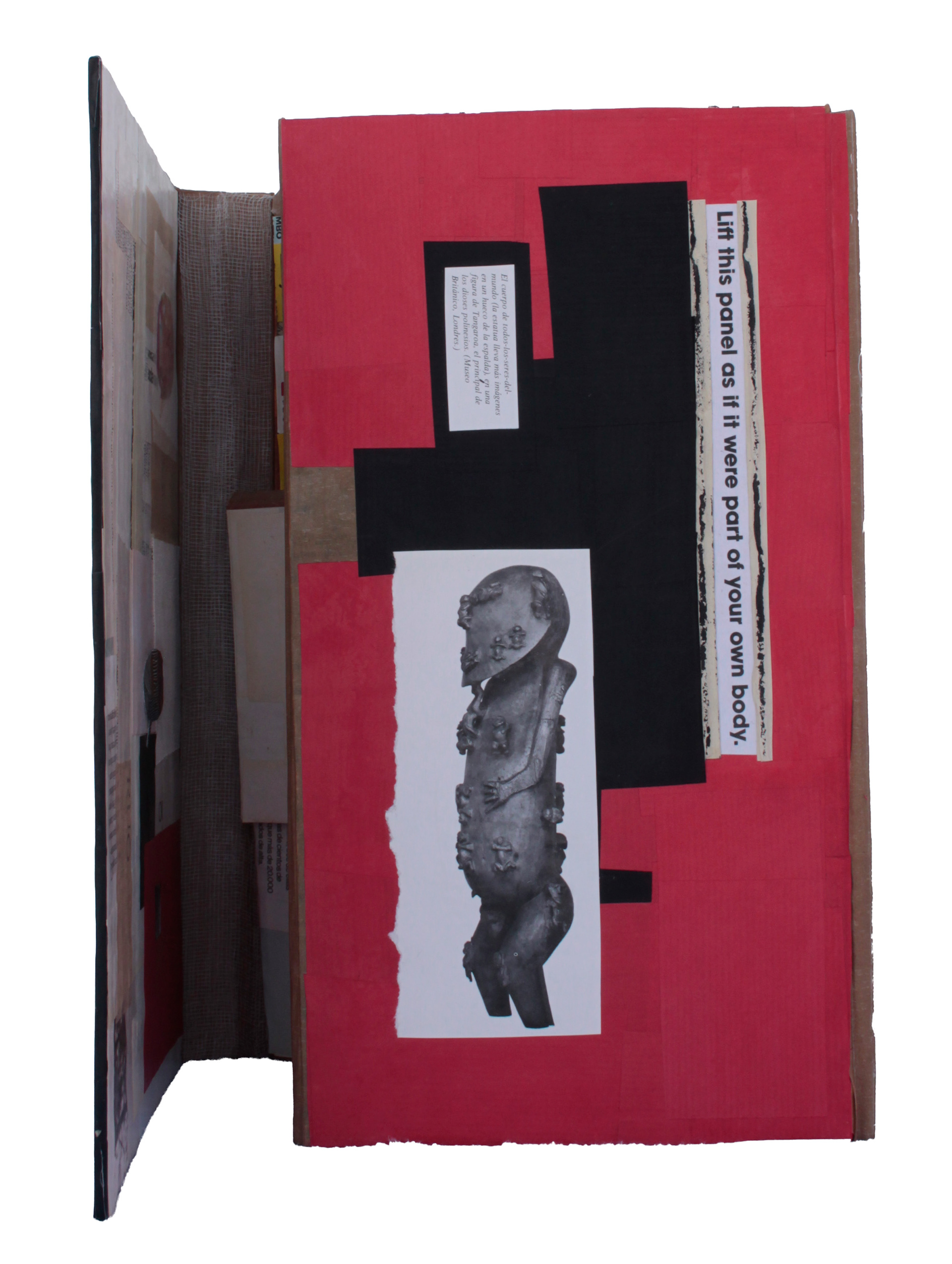
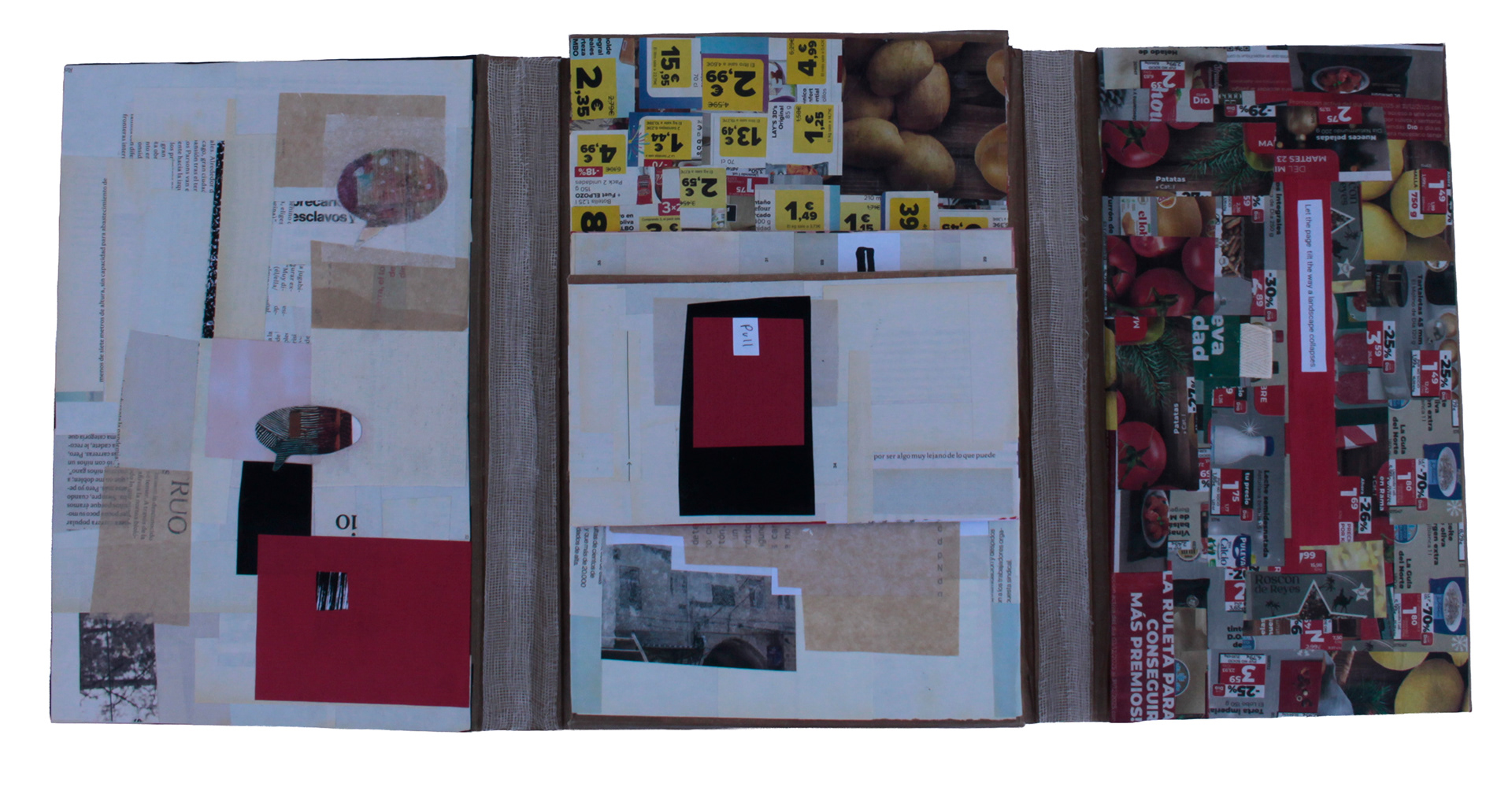
I do not expect looking to repair anything. But I do believe that a sustained gaze alters the body’s orientation, as if perception could remake its moral scale. When I attend to the world, even in its smallest fragments, I feel something shift in me: a slight adjustment that forces me to rise to the level of what I observe. It is not revelation or hope; it is something else, simpler and more difficult: the obligation not to look away.